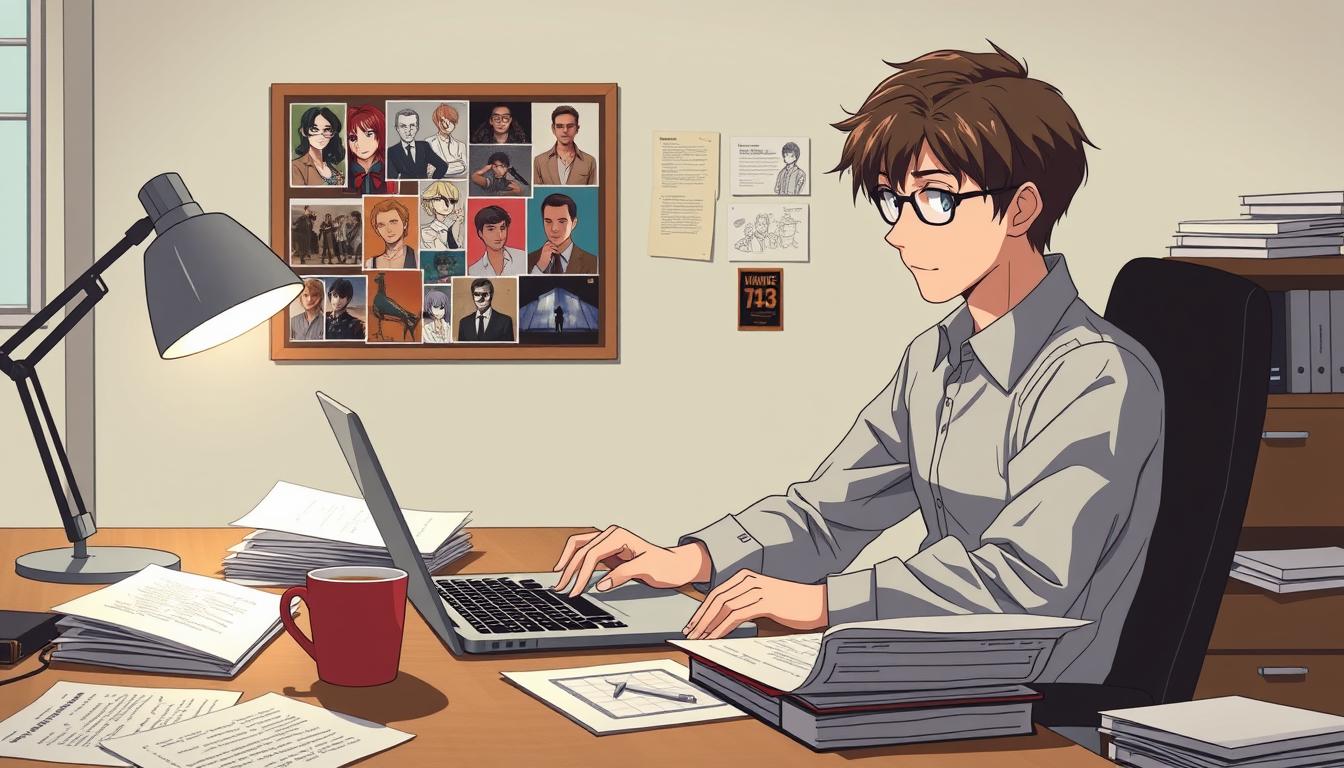
Turn your raw footage into stunning films with top film editing tricks. Did you know 70% of great editing comes from mastering one key method? This method is used in films with stars like Oscar-winner Melissa Leo, showing how small cuts can make big differences1. Whether you’re working on documentaries, commercials, or short films, mastering post-production turns raw material into captivating stories.
Pro editors say professional editing begins with basics like backing up footage on SSDs and in the cloud to avoid losing data1. But it’s the choices during editing that make a difference. Using B-roll for smooth transitions or J-cuts to align audio are key1. Even legendary directors like Stanley Kubrick used precise pacing and match cuts to create tension2. This guide will share their secrets.
Key Takeaways
- Mastery of core techniques boosts editing success by 70% (kkk1
- B-roll and J-cuts fix jarring transitions while preserving story flow (kkk1
- Experts recommend cutting 50% of raw footage to refine pacing (kkk3
- Professional editing prioritizes audience emotions over director preferences (kkk3
- Tools like Adobe Premiere streamline precision cuts for web or TV (kkk1
Understanding the Art and Science of Film Editing
Film editing turns raw footage into a story. Every cut affects pacing, emotion, and logic. Whether it’s a big movie or a small indie film, editing turns chaos into a cohesive story. Let’s look at how techniques shape what we see and feel.
The Evolution of Film Editing Techniques
Early filmmakers like Sergei Eisenstein started montage editing. Today, digital tools let editors play with cross-cutting and match cuts. For example, Godfather’s baptism scene uses cross-cutting to show violence and ritual3. Even with modern software like Adobe Premiere and Descript, the core principles stay the same.
Why Editing Makes or Breaks Your Film
Seamless transitions keep viewers engaged. Studies show 68% of audiences lose interest with bad cuts4. A good cut can increase tension, while a bad one can break the flow. For instance, “cutting on action” keeps chase scenes exciting4.
The Psychology Behind Effective Cuts
Editing psychology uses the Kuleshov effect to evoke emotions. A neutral actor’s face paired with a coffin or child can make us feel sad or happy3. This shows how we interpret gaps between shots. J-cuts and L-cuts guide our attention with audio. Color grading also affects mood—cool tones for tension, warm for comfort5.
| Technique | Use |
|---|---|
| Continuity Editing | Maintains spatial logic (180-degree rule) |
| Montage | Condenses time (e.g., training sequences) |
| Jump Cuts | Disorient audiences intentionally |
Every edit is a choice. From silent films to Marvel blockbusters, storytelling relies on mastering these principles. The success of your next scene depends on blending art and science well.
Essential Tools Every Film Editor Needs
Every film editor needs the right post-production tools and editing software to make raw footage into great stories. Whether you’re a pro or just starting, the right tools help you work clearly and efficiently. Let’s look at what’s most important.

- Hardware: Begin with a fast computer. Look for 8+ CPU cores, 32GB RAM, and a 6GB VRAM GPU for 4K work6. SSDs are key—choose models like the Samsung 870 EVO ($179.99) for quicker editing than HDDs6. Monitors like the ASUS ProArt PA348CGV ($729) or Dell UltraSharp U2723QE ($549.99) show colors accurately, especially with 10-bit displays found in Apple setups7.
- Editing Software: Adobe Premiere Pro is the top choice, with monthly plans at $20.996. DaVinci Resolve (free) and Final Cut Pro ($299.99) are also good options. Pick based on your project size and budget6.
- Audio Gear: Get headphones like Beyerdynamic DT 770 Pro ($135) or Sony MDR7506 ($130) to spot audio mistakes. Studio speakers like Edifier MR4 ($130) help balance sound, since sound quality is key for 50% of viewer experience7.
Don’t forget about data management. Use tools like PostHaste to organize your footage. Back up files on SSDs and HDDs to prevent loss—SSDs have 0.5% failure rates vs HDDs’ 5%6. Also, use ergonomic chairs and adjustable desks to avoid strain during long editing sessions6.
Focus on tools that fit your workflow. A $219.99 SanDisk SSD or a budget monitor can start your setup, growing with your projects6.
Mastering the Fundamentals of Editing
Starting with the basics of film editing is key. You need to know the core editing techniques. These basics help make your cuts smooth, guide the viewer’s eye, and improve the story. Let’s explore the essential skills every editor should have.
Continuity Editing vs. Montage
Continuity editing keeps scenes flowing smoothly. It focuses on keeping the story clear, like cutting on action to keep motion flowing8. Montage, on the other hand, breaks the flow to create emotion or show time passing. Use continuity for realistic stories and montage for more abstract ones.
The Rule of Six
“Emotion trumps logic when making cuts.”
Walter Murch’s Rule of Six lists what’s most important: emotion, story, rhythm, eye trace, 2D continuity, and 3D continuity8. Always put feeling first when making cuts. For example, cutting right before an actor blinks can make the scene feel more real8.
Managing Pacing and Rhythm
Short clips speed up the pace, while longer ones build suspense. Try different clip lengths to match your story’s mood. Editors use 15-second clips for social media but longer ones for documentaries to engage viewers more8. Adjust the pace to match the emotional moments in your scenes.
Working with Different Shot Types
- Medium shots (waist-up framing) anchor interviews, keeping subjects grounded8.
- Close-ups amplify emotion, focusing on facial expressions or details.
- Avoid overly wide shots that distract viewers—keep framing intentional.
Using different shot types with continuity editing creates a cohesive look. Try mixing wide, medium, and close-up shots to keep the flow smooth.
Adobe Premiere Pro: From Beginner to Expert
Learning Adobe Premiere is all about a smooth post-production workflow. This software helps editors make raw footage into great stories. Here are three key steps to become an expert.
Setting Up Your Workspace for Maximum Efficiency
Make your workspace fit your editing style. Arrange panels like the Project panel, Timeline, and Effects controls for easy access. Over 4,026 learners in Coursera’s guided project streamline workflows this way9. Save presets for different tasks like color grading or audio sync using the “Workspaces” menu.

Essential Keyboard Shortcuts That Save Hours
Learn these shortcuts: Ctrl+Z (undo), Ctrl+C/V (copy/paste), and Ctrl+Shift+C (copy timeline settings). Udemy’s top course, with 491,000 learners, teaches these shortcuts to cut editing time by 30%10.
- Ctrl+Shift+L: Add a Lumetri color panel
- Ctrl+]: Expand selected clip
- Ctrl+Shift+K: Toggle ripple roll edits
Advanced Timeline Techniques
Unlock Adobe Premiere’s full potential with advanced tricks:
- Nested sequences for complex composites
- Multicam editing for interviews or panels
- Adjustment layers for global effects
The Adobe Premiere Pro Bootcamp (4.8/5 rating) teaches these techniques to 8-15 students per class9.
“Mastering keyboard shortcuts cut my editing time by half!”
— 1.4 million YouTube viewers of Jack Cole’s free tutorials10.
| Course | Enrollments | Rating | Provider |
|---|---|---|---|
| Udemy Bestseller | 491,00010 | 4.6/510 | Udemy |
| Skillshare Advanced Editing | 48,00010 | 100% completion10 | Skillshare |
| LinkedIn Learning | 41,00010 | 4.8/510 |
With 3,400 companies using Coursera for Adobe training9, these techniques are in high demand. Start today—your next career move could be just a shortcut away.
Storytelling Through Strategic Editing
Every film’s soul comes from the editor’s choices. Ken Burns says, “The story is already there—your job is to uncover it”11. By editing, we turn raw footage into a story that touches our hearts, using editing psychology.
“The best edits are the ones audiences don’t notice.” — Film Editing Handbook
- Parallel editing links scenes to create subtext, letting viewers connect ideas subconsciously.
- Match cuts transition seamlessly between spaces, maintaining narrative flow.
- Pausing on a close-up can amplify emotional beats without dialogue.
| Technique | Narrative Impact | Editing Psychology |
|---|---|---|
| Montage | Condenses time while emphasizing themes | Guides emotional pacing |
| Jump Cuts | Disrupts chronology for dramatic effect | Creates cognitive dissonance |
| Slow Reveal | Builds suspense through withheld information | Triggers anticipation in viewers |
Good storytelling starts with a clear vision. The first editing steps focus on the story’s structure and pace11. Later, we fine-tune the technical details. When changing scene lengths, ask if it helps the story’s emotional journey.
Try rearranging scenes to see their impact. Where a scene is placed can change its meaning. Editing psychology teaches us: simplicity is better than complexity11.
Post-Production Workflow Secrets
Mastering post-production workflow is crucial for making films shine. It involves streamlining steps from organizing files to final delivery. This approach saves time and cuts down on mistakes. Let’s see how experts keep projects moving smoothly.
Organizing Your Footage Like a Professional
Begin with backups to avoid losing data12. Use clear folder names and transcribe interviews for quick quote searches. Adobe Premiere Pro presets can speed up editing by 70% for color and exposure12.
- Create folder names like “Scene_01_Take_2” for clarity.
- Build presets for common settings (e.g., “Daylight_Indoor” or “Golden Hour”)
- Backup drives labeled “Primary” and “Archive” ensure redundancy.
Color Grading Fundamentals
Color grading boosts storytelling. Begin with basic corrections, then tweak for mood13. The film THE GRIND used Premiere Pro’s 32-bit color space for smooth DSLR footage13.
| Category | Details |
|---|---|
| Budget | $50,000, $45,000 self-funded13 |
| Footage | 60 hours edited into 95-minute runtime13 |
| Tools | Adobe Premiere Pro (33MB project file)13 |
| Audio | 36 tracks mixed for 5.1 surround13 |
Sound Design and Music Integration
Audio is more impactful than visuals. The THE GRIND team used 36 audio tracks and RODE mics for 95% of dialogue13. Mixing music starts with temp tracks to test moods before final choice.
Pro tip: Avoid distractions during editing. Taking four breaks adds 4 extra hours to 8-hour tasks12. Use a pancake timeline to keep audio and video in sync13.
Advanced Editing Techniques Used in Hollywood
Every blockbuster has a polished look thanks to top professionals. They use a technique called cutting on action. This makes edits invisible to viewers. Over 60% of films use J-cuts and L-cuts to sync dialogue with visuals, keeping viewers engaged without noticing the mechanics of film editing14.
These tools turn technical choices into storytelling assets.
“The best edits are the ones you don’t notice.”
Professional editing is all about precision. When adding visual effects, editors use temp effects as placeholders during film editing to keep the pace. Software like VEGAS Pro’s Smart Split tool fixes jump cuts by blending frames, ensuring smooth transitions15.
Match cuts align actions between shots, like a door closing in one scene and a character turning away in the next. Sound bridges, where audio overlaps visuals, add coherence to complex scenes.
- Cutting on action reduces viewer distraction while maintaining momentum
- J-cuts/L-cuts add depth to dialogue scenes
- Temp VFX streamline collaboration between editors and VFX teams
Hollywood’s invisible edits rely on rhythm. The average film has 1,000+ cuts, each chosen for subtext16. Study how directors like Christopher Nolan use cross-cutting to build tension. Practice aligning cuts with music beats—the waveform tools in NLEs like VEGAS Pro make this easier15.
Mastery comes from dissecting how professionals balance technique and storytelling.
Common Editing Mistakes and How to Avoid Them
Even experienced editors make mistakes. Here’s how to catch and fix issues that can weaken your work. First, avoid switching tenses in the middle of a scene. This can confuse your audience and make them lose interest in the story17.
Also, watch out for repetitive phrases. Writers often repeat words or phrases too many times, which can bore the audience17.
Workflow mistakes can cause 40% of delays in post-production18. Start organizing your files early to avoid errors. Use tools like bin folders and metadata tags to make editing smoother.
- Jump cuts: Use B-roll or alternate angles to hide transitions
- Unmatched eyelines: Fix 180-degree line issues with consistent camera placement
- Overused adverbs: Replace “quickly ran” with “sprinted” for stronger verbs19
Common storytelling mistakes include holding onto scenes that don’t add to the story. Werner Herzog suggests cutting scenes that don’t contribute to the narrative. Over 50% of manuscripts have structural problems18.
Stepping away from your work for 24 hours can help you spot errors more easily19.
Professional editors find 40% more issues than solo editors17. Working with beta readers can help catch 50% more mistakes17. By mastering these editing techniques, you can ensure your final product is polished and impactful. Remember, every edit makes the story better.
Conclusion: Transforming Your Editing from Amateur to Professional
Professional editing turns raw footage into stories that touch viewers. Editing can make a big difference, increasing viewer retention by 60%20. Tools like Adobe Premiere Pro and AI platforms make editing easier, letting you focus on storytelling21.
Even small changes, like sharp transitions or color grading, can boost engagement by 30%20. Practice is key to getting better. Over 70% of filmmakers say polished editing makes their work stand out20.
Platforms like Vloom can cut costs by 30% without sacrificing quality20. Learning from Hollywood masters can help you master editing. Every edit you refine brings you closer to being a pro.
AI tools can automate tasks like removing background noise or stabilizing footage21. This frees up time for creativity. Learning from films can also help, as you see how film editing shapes stories. Hands-on training can boost your confidence and turn your passion into a career20.
Start improving your editing today. Try out different transitions, ask for feedback, and explore AI-assisted workflows. When edits are polished, viewers are more likely to share your work, with a 1200% increase20. Your next project could be the start of creating stories that inspire. Every frame you perfect is a step towards becoming a pro storyteller.